

To effectively address the performance shortcomings of outdated equipment, bridge the gap in power generation revenue, and improve the overall operational quality of the power station, Lianyungang Shenzhou New Energy developed customized replacement modules tailored specifically for the station’s renovation needs. Without modifying the original supporting structures of the power station, the project achieved a technological upgrade from traditional polycrystalline processes to the new-generation high-efficiency monocrystalline TOPCon technology.
Iterative Upgrading via Refined Construction for Station-wide Quality Renovation
The renovation was implemented in strict compliance with technical renovation specifications for new energy power stations. While retaining the original brackets, circuits and grid-connected systems, all outdated polycrystalline modules were uniformly replaced with new-generation high-efficiency photovoltaic modules featuring high conversion efficiency, low attenuation and strong weather resistance. Adaptable to local environments with strong sunlight, large temperature differences and frequent sand and dust weather, the new modules boast outstanding advantages including high photoelectric conversion efficiency, low annual attenuation rate, and strong resistance to micro-cracks and hot spots.
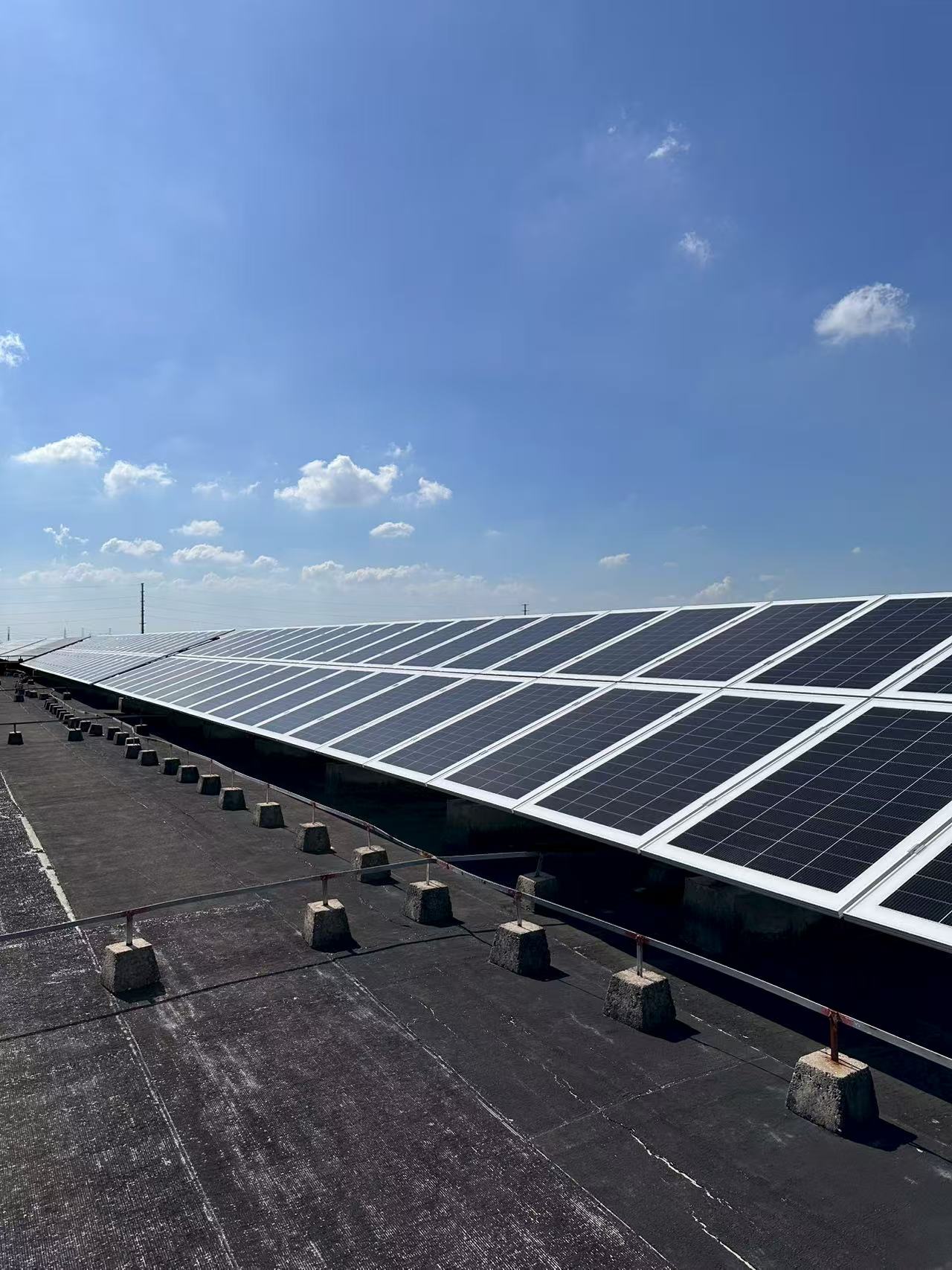
One-Year Operational Verification: Three-dimensional Improvements in Power Generation, Operation & Maintenance, and Economic Benefits
Since the completion of the renovation and grid-connected operation in 2025, one full year of verified operational practice has delivered quantitatively significant improvements in all operational indicators, fully validating the outcomes of quality improvement and efficiency enhancement.
Steadily rising power generation efficiency with considerable power output growth. The photoelectric conversion efficiency of modules in renovated areas has been greatly improved, with the overall power generation efficiency of string modules increasing by more than 12% compared with pre-renovation levels, and the power output of individual modules becoming more stable.
Sharply reduced equipment failure rate and significantly lowered operation and maintenance pressure. The iteration and renewal of outdated modules have greatly reduced common equipment faults such as hot spots, module attenuation and circuit matching abnormalities, cutting the year-on-year equipment failure rate by over 70% and further improving equipment availability. Operational costs including daily inspections, fault disposal and spare parts replacement have been effectively reduced, enabling safer, more efficient and more controllable overall operation and maintenance of the power station.
Sustained release of economic benefits and upgraded value of existing assets. Driven by dual optimization of increased power generation revenue and reduced operational costs, the new modules support stable low-attenuation operation for 25 years with consistent long-term power generation returns. This further consolidates the power station’s foundation for safe, efficient and long-term profitability, and preserves and appreciates the value of existing new energy assets.
Highlighted Demonstration Value Boosting Quality Development of Existing New Energy Assets
China’s photovoltaic industry has gradually entered a new stage focusing on the operation, maintenance and quality upgrading of existing assets, with early-built outdated low-efficiency polycrystalline modules generally suffering from performance attenuation. The targeted technical renovation and refined operation of the Jingxing Photovoltaic Power Station’s module replacement project have effectively verified the feasibility and necessity of upgrading existing power stations to improve quality and efficiency through renovation. It provides a valuable practical reference for the upgrading and energy efficiency improvement of similar outdated photovoltaic power stations, and continuously facilitates the high-quality development of regional green and low-carbon energy.


